
Introduction
The Central Board of Secondary Education (CBSE) is the most widely followed school board in India, and its circulars, rules and notifications directly shape how classrooms function every day. From how exams are conducted to how projects are assessed, cbse guidelines act as a common rulebook for thousands of schools
across the country. Every academic year, CBSE updates or fine tunes its regulations so that learning stays relevant, fair and student friendly. For schools, keeping up with the latest cbse guidelines is not just good practice, it is a compliancerequirement. For parents and students, understanding these rules reduces confusion, prevents last minutesurprises, and helps them plan academics with more confidence.In recent years, cbse new guidelines have focused strongly on competency based learning, 21st century skills,mental health, and safe school environments. The idea is simple – move beyond rote memorisation and help students think, apply and express better, while feeling emotionally secure.CBSE education also carries national and global value. Many universities in India and abroad recognise CBSE board results and trust its structured approach to assessment. That is why the rules of cbse are not just internal instructions for schools, but carry legal and academic significance, especially in matters like promotion,examinations and certification.
This article brings together the key cbse guidelines and instructions for 2026-27 in one practical guide. You will find clear sections on academics, examinations, discipline, safety, student welfare and likely future reforms, with a special focus on cbse rules for class 10. Whether you are a school leader, teacher, or a parent exploring CBSE schools in Karnataka or Bengaluru, this page will help you stay informed and prepared. Use this guide whenever you need a simple, reliable explanation of CBSE rules, procedures, timelines, circulars and other important yearly updates for your family.
1.Overview of CBSE Education System
The CBSE education system is built as a continuous journey from primary classes to senior secondary level, so that children do not feel sudden jumps in difficulty. At the primary stage, schools focus on building strong basics in language, numbers, environmental studies and good habits. In middle school, subjects slowly become more structured – students are introduced to science, social science and formal second or third languages, while still
being encouraged to ask questions and work in groups.By the time students reach secondary and senior secondary level, the CBSE curriculum is organised into clearstreams and subject options. Science, Commerce and Humanities are the common pathways, but within themschools can offer flexible combinations such as Maths with Biology, Informatics Practices with Commerce, orPsychology with Humanities. This academic flexibility helps students match their interests with future careers,instead of being forced into one fixed pattern. Many schools in Karnataka and Bengaluru now use this flexibility to offer integrated coaching, foreign language options and vocational courses.A major focus of cbse education today is competency based and skill oriented learning. Rather than only testingmemory, schools are asked to give tasks, projects and questions where students have to apply concepts to real life situations. Lab work, art integrated projects, sports, coding, financial literacy and life skills are slowly becoming part of regular classroom practice. Internal assessments, portfolios and regular feedback give a fuller picture of a child’s progress, not just their performance on one exam day.
The Board also works closely with NCERT and other bodies to keep textbooks, exemplar problems and teacher
handbooks updated in line with the National Education Policy. Schools receive regular circulars explaining how to
redesign lesson plans, assessments and remedial support for different types of learners. To support this, CBSE regularly conducts teacher training programmes, online courses and capacity building workshops. Schools are expected to maintain quality benchmarks in lesson planning, assessment methods and classroom environment, as laid down in official cbse guidelines. Because of this standardisation, CBSE certificates are widely accepted not only across India, but also by universities abroad in countries like the USA, UK, Australia and the Middle East. For families that might relocate within India or overseas, a CBSE school offers continuity, recognised results and a familiar academic structure for their children.
2.Latest CBSE Guidelines – What’s New?
For the 2026-27 academic year, the latest cbse guidelines focus on making schooling more predictable,transparent and student friendly. The Board has issued clearer timelines for registration, internal assessments, practical exams and board examinations so that schools can plan well in advance. Circulars also highlight smoothmigration procedures for students shifting from one CBSE school to another, which is a common need for families in cities like Bengaluru. Schools are expected to publish key academic dates on their websites and notice boards so that parents are not left guessing about important deadlines. A major update in cbse new guidelines relates to assessment and evaluation. Question papers are moving gradually towards more competency based formats, with higher weightage for case based, source based and application driven questions. Schools have been advised to align internal tests, periodic assessments and pre-board exams with this pattern, instead of relying only on direct, memory based questions. Internal assessments, projects and portfolios now carry defined weightage and must be documented carefully for possible verification by CBSE.Experiential learning continues to be a strong priority. The guidelines encourage schools to integrate art, sports,local environment studies and real life problem solving into regular classroom work. Simple examples include maths concepts taught throughbudgeting activities, science explained through local field observations, or social science linked to community projects. CBSE expects schools to record these activities, not just as decoration for school events, but as meaningful learning evidence.Digital tools and blended learning norms are another key area. Schools are advised to maintain updated studentdata on digital platforms, use Learning Management Systems where possible, and ensure that online resources used in class are age appropriate and legally compliant. At the same time, cbse guidelines remind schools that screen time must be balanced, and that technology should support, not replace, human teaching.Finally, the Board has strengthened directions on mental health and stress free learning. Schools must have access to counsellors, conduct regular orientation for parents on exam pressure, and create a culture wherestudents feel safe to seek help. Anti-bullying policies, peer support initiatives and time bound grievance redressal mechanisms are increasingly being monitored during inspections. The overall message of the latest cbse guidelines is clear – academic rigour should go hand in hand with wellbeing, safety and respect for every child.
For schools in Karnataka and other states, these changes mean regular review of handbooks, report cards and
academic policies. Many school leaders now hold meetings with teachers and parents to explain new circulars in
simple language. When everyone understands how cbse guidelines are changing, students feel less anxious,
teachers plan more confidently, and parents trust that the school is aligned with national standards and updated
expectations.
3.CBSE New Guidelines for Schools & Management
Recent cbse new guidelines place strong responsibility on school managements to maintain clear academic, legal
and ethical standards. For affiliation, schools must now provide detailed proof of land ownership or lease, building safety, sanitation facilities and barrier free access for children with special needs. Laboratories, libraries, sports areas and basic ICT infrastructure are checked more closely, and any major change in land or building status hasto be reported to the Board without delay.
Teacher quality is another non negotiable area. CBSE expects all teachers to hold the prescribed qualifications,
training in the latest curriculum changes and regular participation in capacity building workshops. Guidelines also touch on reasonable workload, timetable planning and teacher student ratio, so that quality does not suffer due to overcrowded classes. Schools are encouraged to avoid excessive non academic duties for teachers, allowing them to focus on lesson planning, assessment and mentoring.
Safety, hygiene and child protection norms are now monitored systematically. Schools must have clean drinking
water, separate toilets for boys and girls, verified support staff and CCTV coverage in sensitive areas, while still
respecting student privacy. A functional School Management Committee, child protection policy, POSCO
awareness and clear reporting channels for misconduct are part of expected compliance.
Academic audits and digital compliance have become regular features. CBSE can review student records,
assessment samples, lesson plans and school websites to ensure that what is declared on paper matches actual
practice. Use of official logos, reporting of fees and publication of mandatory disclosures on the school website are all guided by cbse guidelines.
Transparency in school operations is a running theme in the new rules. Schools are expected to share fee
structures, refund rules, assessment policies and key calendar dates openly with parents. Sudden changes in
exam schedules, holidays or payment deadlines are discouraged. For schools in Karnataka and across India,
following these cbse new guidelines is not only about passing inspections, but it is also a way to build long term
trust with families who depend on the school for honest information, safe facilities and stable academic planning.
4.Rules of CBSE for Students
The first big area is attendance. Schools are expected to monitor presence across the academic year, not just
before exams. For Classes 10 and 12, students are required to maintain at least 75% attendance to be eligible for
board examinations, except in genuine medical or approved cases. If a student keeps missing classes without valid reasons, the school can mark them as “essential repeat” and they may lose the chance to sit for the board exam that year. Parents are therefore advised to submit leave letters promptly and stay in regular touch with class
teachers.
Promotion from one class to the next is also linked to consistent effort, internal assessments and project work.
Even in non-board classes, schools follow the rules of cbse so that unit tests, term exams and year-end
assessments are considered together. Students who perform poorly or ignore assignments despite reminders may be asked to attend remedial classes or, in extreme cases, repeat the class so that they do not carry gaps forward.
Behaviour and discipline form another important part of CBSE rules. The student code of conduct usually covers
respectful language, classroom behaviour, use of mobile phones, and treatment of peers, teachers and support
staff. Bullying, harassment, cheating, damaging school property or sharing offensive content, especially through
social media, can invite strict disciplinary action, including suspension or rustication in serious cases. Many CBSE
schools now have anti-bullying committees and child protection officers whom students can approach if they feel
unsafe. Uniforms, ID cards and punctuality may look like small issues, but they are part of the overall discipline framework.
Students are expected to follow the prescribed school uniform, keep it neat, wear their ID cards every day and
reach school on time. Late arrivals, leaving school without permission or loitering during class hours are usually
recorded and discussed with parents when needed.
Academic integrity and exam ethics are non-negotiable. Copying, using unfair means, sharing question papers,
helping others to cheat or posting confidential material online are treated as serious offences. CBSE can cancel a
student’s exam, withhold results or even debar them from future examinations if malpractice is proven. At the
school level, even small class tests are used to teach honest effort, proper referencing in projects and respect for
copyright.
Finally, students are encouraged to participate in sports, arts and clubs in line with CBSE’s focus on holistic
education. Attendance and behaviour in co-curricular activities are recorded and can form part of internal
assessment. When students follow these cbse rules sincerely, school life becomes more organised, safer and
more truly enjoyable.
5.CBSE Rules for Class 10 Students
For Class 10, CBSE treats the year as a key turning point before the first public board exam. Students must be
registered in Class 9 and complete the full two year curriculum in the same or another recognised CBSE school.
Transfers are allowed, but records, subjects and internal assessment data must move correctly so eligibility is not
affected.Attendance is key. As per CBSE bye laws, students must maintain at least 75 percent attendance in the academic year to sit for the board exams, with limited relaxation for genuine medical, sports or other serious reasons approved by the Board. Schools now send regular attendance alerts to parents, and long, unexplained absences can lead to a student being marked as “essential repeat” instead of “board going.”
The assessment structure follows the 80 plus 20 pattern. Theory board papers carry 80 marks, while 20 marks are
reserved for internal assessment through periodic tests, notebook work and subject enrichment activities. Students must complete projects, practical files and assignments on time because poor internal marks can pull down the final grade even if the main exam goes well.
Subject selection is another important rule for Class 10. Students can choose standard or basic mathematics, and
may opt for skills or extra languages depending on what the school is approved to offer. Once subjects are finalised in Class 9 or early Class 10, changes are allowed only for a short window with board approval.
After the board results, students can apply for verification of marks, revaluation of answers and compartment
exams if they do not clear one or two subjects. These cbse rules for class 10 aim to give every child a fair chance
while maintaining discipline and seriousness towards board exams.
6.Student Safety, Health & Welfare Guidelines
CBSE treats student safety and wellbeing as a non-negotiable responsibility for every affiliated school. Official
guidelines draw from national school safety policies, disaster management norms and child protection manuals,
and schools are expected to hold valid building, fire and structural safety certificates during affiliation and periodic inspections. Regular safety audits of classrooms, labs, playgrounds, school buses and surrounding areas are encouraged so that risks are spotted early rather than after an incident.
Child protection is another strong pillar. Schools must have a written child protection policy, an active School
Management Committee and procedures aligned with POCSO, anti-ragging and anti-bullying norms. This usually
includes proper police verification of support staff, CCTV in key common areas, controlled visitor entry and
confidential reporting channels for students. CBSE reminds schools to make sure children know how and where to report, and that any form of abuse or bullying is treated seriously. Many CBSE schools in Karnataka also conduct joint sessions with parents so that safety rules at home and school support each other.
On the health side, CBSE encourages a comprehensive school health programme rather than isolated medical
camps. Health and Wellness Clubs, basic first aid facilities, tie ups with nearby clinics, eye and dental screening,
and regular fitness activities during games periods are all part of good practice. Schools are also nudged to
promote balanced diets, discourage junk food and run awareness campaigns on issues like lifestyle diseases,
nutrition and safe use of technology.
Mental health receives dedicated attention in recent circulars. Schools are advised to appoint or access trained
counsellors, observe Mental Health Week in October with age-appropriate activities, and build peer support
systems so that children feel comfortable seeking help early. Orientation programmes for teachers and parents on exam stress, social media pressure and warning signs of distress are becoming more common. CBSE has also
asked schools to prominently display details of national mental health helplines such as Tele-MANAS and to
normalise help seeking as a sign of strength, not weakness.
Inclusive education runs through all these guidelines. Infrastructure, teaching practices and safety procedures are
expected to consider children with disabilities, learning difficulties or chronic health conditions, with clear
expectations on accessibility, assistive aids and reasonable accommodations during exams. When schools take
these student safety, health and welfare guidelines seriously, campuses become places where children not only
study but also feel protected, heard and respected every day.
7.Comparison Table – Good CBSE Schools in Karnataka
These are some well known CBSE schools in Karnataka that many parents consider while shortlisting options. This
is not a ranking, but a practical shortlist to understand how different school profiles look in the CBSE system.
| School Name | Location(Karnataka) | Key Highlights |
| National Public School (NPS) | Bengaluru – multiple campuses | Strong academics, Olympiads, STEM focus, structured CBSE implementation |
| Delhi Public School (DPS) | Bengaluru – multiple campuses | Holistic development, sports and activities, competitive exam orientation |
| Vidyaniketan Public School | Bengaluru – North & West Bengaluru | Green campus, tech enabled teaching,balanced academics and co scholastics |
| Jawahar Navodaya Vidyalaya (JNV) | Multiple districts across Karnataka | Govt residential CBSE schools for rural talent, strong board results |
| Sri Kumaran Children’s Home | Bengaluru – multiple Kumaran campuses | Long legacy, values driven culture, steady academic track with CBSE pattern |
Below is a short profile of each, to help parents read school websites with more context before using a platform like
cbseschools.org for deeper comparison.
National Public School (NPS Group), Bengaluru
National Public School is a well known CBSE school group with campuses in areas like Rajajinagar, Indiranagar,
Yelahanka and ITPL. The schools are known for a structured academic environment, strong results in board exams
and regular participation in national level Olympiads and competitive exams.
Classrooms are supported by well planned labs, libraries and co curricular programmes including public speaking,
STEM and robotics, music, art and a range of clubs. NPS schools usually follow the CBSE curriculum from primary
to senior secondary, with clear expectations on homework, projects and exam preparation. Parents who prefer a
disciplined, academically focused environment with clear benchmarks often look at NPS while exploring CBSE
schools in Bengaluru.
At the same time, many campuses try to balance rigour with sports, cultural events and outbound activities, so that students do not feel the pressure of marks alone. For families who might move within India or abroad, the NPS brand and CBSE affiliation together give comfort that the academic foundation will be recognised widely.
Delhi Public School (DPS), Bengaluru

Delhi Public School has several branches in and around Bengaluru, including DPS Bangalore East, North, South
and Whitefield. These schools follow the CBSE curriculum and position themselves as centres for all round
development, with equal focus on academics, sports and activities.
DPS campuses generally offer large playgrounds, indoor sports options, art, music and theatre, along with clubs for debates, MUN, coding and community outreach. Teaching methods emphasise conceptual clarity, project work and continuous evaluation, which fits well with the latest CBSE focus on competency based learning.
Many parents in Karnataka who want a mix of academic strength and visible co curricular exposure shortlist DPS.
The schools often organise Olympiad coaching, entrance exam support and exchange programmes, which appeal
to families looking at competitive exams and global exposure later.
Vidyaniketan Public School, Bengaluru
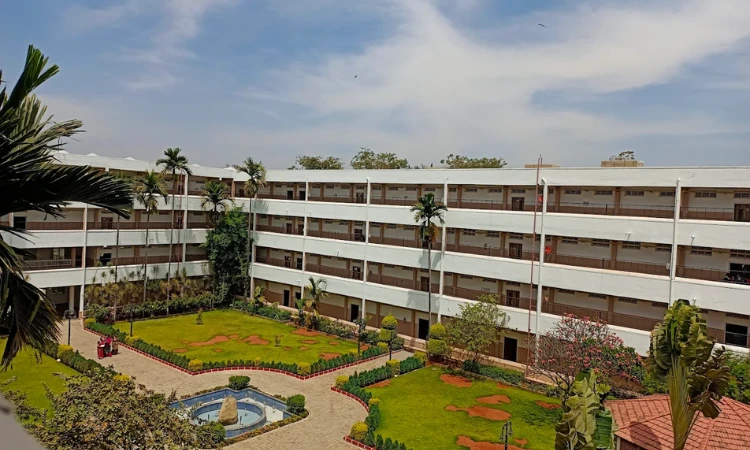
Vidyaniketan Public School in Bengaluru is a CBSE affiliated institution with campuses in North and West
Bengaluru, known for a green, well kept campus and a steady academic record. The school highlights a mix of
traditional classroom teaching with technology assisted learning, including smart classrooms and structured use of digital resources. Facilities typically include science and computer labs, libraries, dedicated spaces for arts and sports, and opportunities for students to participate in inter school events. The approach to academics is fairly balanced – there is seriousness about homework, projects and exams, but also visible encouragement for cultural programmes, field trips and celebration days that keep children engaged.
Parents who prefer a school that is not overly commercial, but still offers modern infrastructure and CBSE
continuity, often consider Vidyaniketan Public School while exploring North Bengaluru options.
Jawahar Navodaya Vidyalaya (JNV), Karnataka
Jawahar Navodaya Vidyalayas are a special category of central government schools that run in many districts of
Karnataka, including Bangalore Urban and rural districts like Shimoga, Haveri and others. They are fully residential,co educational and affiliated to CBSE, with classes from 6 to 12. Admission is based on a selection test, and the focus is on identifying talented students from rural backgrounds and providing them with quality education at minimal or no cost. JNV campuses usually provide hostel facilities,
dining halls, sports fields and well equipped classrooms within a self contained campus. Academic expectations
are high, with a strong record in board exams and competitive tests, supported by structured study hours and
mentoring.
For rural families in Karnataka, JNV offers a rare combination of CBSE board education, residential care and
national level exposure without heavy fees. Parents have to be comfortable with hostel life and the competitive
nature of the entrance test, but for many children it becomes a life changing opportunity. Details of each JNV can
be checked alongside day schools when comparing CBSE options for higher classes.
Sri Kumaran Children’s Home, Bengaluru
Sri Kumaran Children’s Home is a long established education group from Bengaluru, with a CBSE campus at
Doddakallasandra and other affiliated institutions across the city. The group is known for its combination of strong academic culture and a values driven, warm environment that many alumni fondly remember.
The CBSE school offers modern classrooms, labs, libraries and sports facilities, yet retains a rooted, simple feel in
its daily routines and celebrations. Students are encouraged to participate in music, yoga, cultural activities and
sports along with regular studies, which fits well with CBSE’s emphasis on holistic education. Many parents
appreciate the emphasis on discipline, respect and consistent effort rather than showy events or excessive
marketing.
For families in and around South Bengaluru, Sri Kumaran Children’s Home often appears on the shortlist when
they are looking for CBSE schools that blend tradition and modernity. While seats can be competitive, parents who secure admission often stay with the group for many years, using platforms like cbseschools.org mainly to cross check syllabus, infrastructure details and transport routes before confirming.
8.Benefits of CBSE Guidelines for Students & Parents
Well framed cbse guidelines make everyday school life simpler for families. When rules are written clearly and
updated regularly, students, parents and teachers all work with the same understanding instead of depending on
guesswork or WhatsApp rumours.
Academic clarity and consistency
CBSE provides one structured roadmap from primary to Class 12. Syllabi, exam patterns and promotion rules are
defined centrally, so a child in a small town and a child in a metro follow the same academic framework. This
consistency helps parents plan tuition, revision and exam preparation in a more organised way.
Fair and transparent evaluation
Standardised blueprints, marking schemes and internal assessment rules reduce random checking and bias.
Schools must follow common patterns for tests, projects and board exams, and parents can see how each
component contributes to the final result. This transparency builds trust in report cards and board marks.
Reduced exam stress
Because cbse guidelines now spread marks across periodic tests, projects, practicals and the main exam, one bad
day does not destroy a child’s year. Competency based questions test understanding instead of pure memory, and schools are encouraged to counsel students and parents on healthy study habits, which slowly reduces exam
panic.
Skill development focus
New CBSE policies push schools to include projects, presentations, labs, coding, arts and sports as part of “real”
learning, not just side activities. Children get more chances to communicate, think critically, solve problems and
work in teams – skills that are useful long after school is over.
Better career preparedness
Because CBSE patterns are aligned with competitive exams and global expectations, students are better prepared
for entrance tests, college interviews and international applications. A clear, competency based system helps
children discover their strengths early and choose streams and careers with more confidence.
9.Future of CBSE Education in India
CBSE education is steadily moving towards a future where marks, skills and wellbeing grow together. The Board’s
new directions already show how classrooms in the next few years will look very different from the old chalk and
talk model many parents remember.
A key change is the integration of AI and digital tools. CBSE schools are being encouraged to use learning
apps, digital content libraries, virtual labs and basic AI tools for practice and doubt clearing. The focus is not on
gadgets alone, but on using technology to personalise learning, support children who need extra help and give
faster feedback, especially in higher classes.
The Board is also deepening its competency based assessments. More questions will test how students think,
apply and analyse, instead of only asking them to reproduce textbook lines. Internal assessments, projects and
practicals will continue to carry weight, so that a child’s real work across the year counts as much as the final
paper.
Another priority is global curriculum alignment. CBSE guidelines increasingly refer to international benchmarks
in maths, science, languages and 21st century skills. For families in cities like Bengaluru who may consider
overseas education later, this makes CBSE board results and classroom exposure more compatible with global
expectations.
Finally, future cbse guidelines will keep strengthening career oriented learning models. Skill subjects, coding,
entrepreneurship, financial literacy, design thinking and vocational options are likely to reach more schools, not just big city campuses. This will help students connect what they study in class with real jobs, local industries and new career paths, while still giving a strong academic base.
Conclusion
CBSE guidelines act like a common roadmap for thousands of schools across India. They define what should be
taught, how learning is assessed and what minimum safety and quality standards every school must follow. When
these rules are updated regularly and explained in simple language, families feel less confused and schools can
plan each academic year with clarity. The Board’s role in maintaining academic standards is central. It designs age appropriate syllabi, sets examblueprints, issues marking schemes and audits whether affiliated schools are following the rules honestly. Because the same framework applies from a small town school to a large city campus, students get a broadly similar level of preparation for higher studies and entrance tests, no matter where they live.
For schools, clear cbse guidelines mean fewer disputes, better planning and stronger credibility with parents. For
students, they bring structure, predictable exam patterns and greater fairness in evaluation. For parents, they offer a reliable reference whenever questions arise about homework load, promotion policies, internal marks or exam conduct. Everyone knows that rules are coming from one trusted national body, not changing from classroom to classroom.Looking ahead, CBSE education is clearly moving in a future ready direction. New policies emphasise competencybased questions, digital support, mental health, inclusive practices and stronger skill development. Over time, this will help children move beyond rote learning and graduate as confident, adaptable learners who can handle college, careers and global opportunities. When schools, parents and students follow CBSE rules in the right spirit,the guidelines stop feeling like pressure and start becoming a safety net that protects each child’s growth.Platforms like cbseschools.org help families interpret these rules, compare real CBSE schools in their city andchoose environments where guidelines are followed in classrooms, corridors, labs, playgrounds and school buses every day.
- For authentic CBSE school listings, admissions support, and guideline updates, visit https://cbseschools.org/
- Your trusted resource for CBSE guidelines, school comparisons, and academic insights.